How to Conduct a Workplace Investigation Effectively: A Comprehensive Guide


Introduction to Workplace Investigations
Conducting a workplace investigation is a critical task for maintaining a productive and harmonious work environment. It involves carefully gathering facts, interviewing relevant parties, and ensuring a fair process. This guide will walk you through the essential steps to conduct an effective workplace investigation.

Understand the Purpose and Scope
The first step in conducting a workplace investigation is to clearly understand the purpose and scope. Determine what specific incident or complaint needs investigation and why it's important. This clarity helps in setting boundaries and objectives for the investigation.
Define the scope by identifying the key issues, potential witnesses, and necessary documentation. This preparation ensures that the investigation is focused and efficient.
Plan the Investigation Process
Once the purpose and scope are clear, the next step is to plan the investigation process. Develop a timeline and checklist to guide the investigation. This plan should include key milestones such as interviews, document reviews, and report writing.
Consider the resources required, including personnel, time, and technology. Assign roles to team members, ensuring each person understands their responsibilities.

Conducting Interviews
Interviews are a crucial part of workplace investigations. Begin with the complainant and then interview witnesses and the accused. Prepare a list of questions to ensure all relevant information is gathered.
Maintain a neutral and professional demeanor during interviews. Ensure confidentiality to encourage openness and honesty from interviewees.
Gather and Analyze Evidence
Collecting and analyzing evidence is essential for a fair investigation. Gather all relevant documents, emails, and other communications that may support or refute the claims. Organize the evidence systematically for easy reference.
Analyze the evidence objectively, comparing it against the testimonies collected during interviews. This analysis will form the basis for your findings.
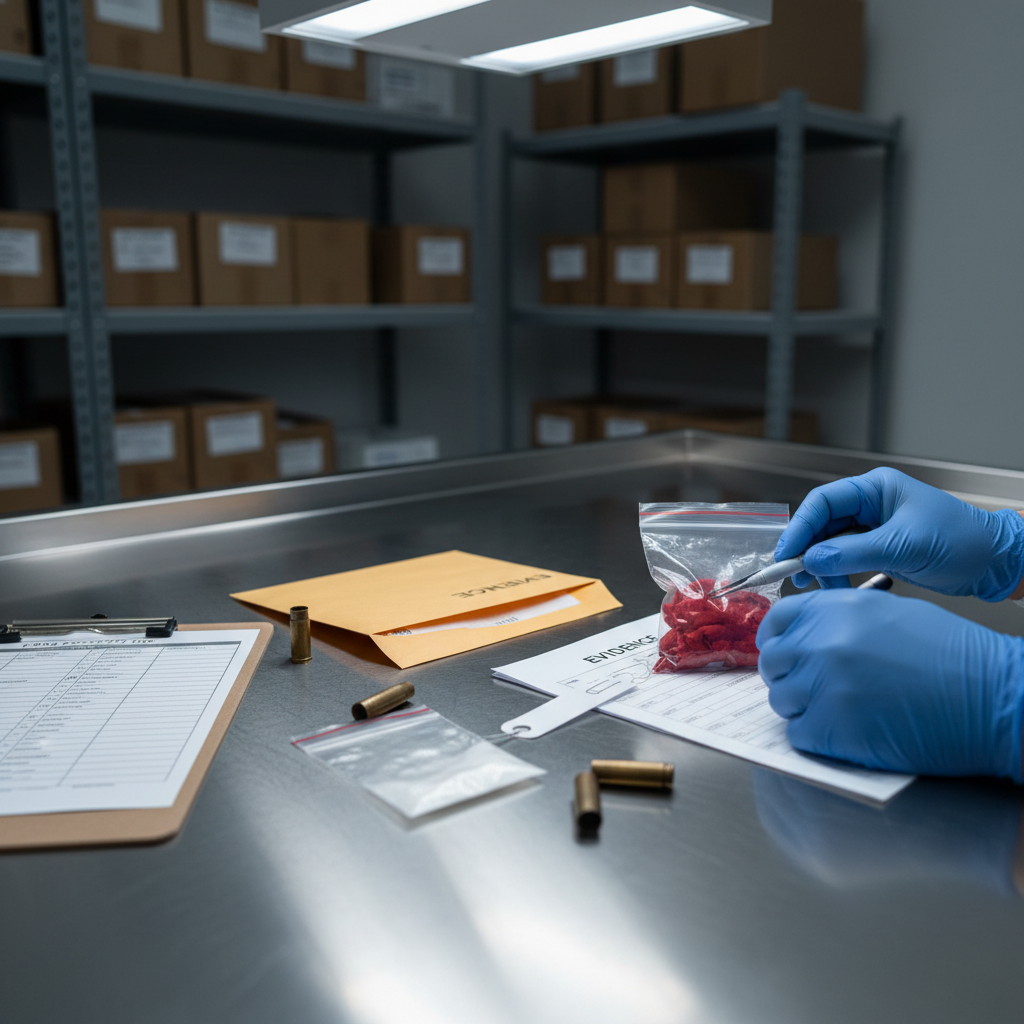
Document Findings and Conclusions
After completing interviews and evidence analysis, document your findings. Write a clear and concise report summarizing the investigation process, findings, and conclusions. Include a timeline of events, quotes from interviews, and a list of evidence considered.
Ensure the report is factual and free from bias, providing a solid foundation for any further action that may be necessary.
Take Appropriate Action
Based on the investigation's findings, take appropriate action. This may involve disciplinary measures, policy changes, or other corrective actions. Ensure that any actions taken are consistent with company policies and legal requirements.
Communicate the outcome to the involved parties, maintaining confidentiality where necessary.

Review and Improve the Process
Finally, review the investigation process to identify areas for improvement. Gather feedback from those involved and consider any challenges faced during the investigation. Use this information to refine your procedures and training programs.
Continually improving the investigation process will help ensure fairness and efficiency in future investigations.