

Introduction to Workplace Restoration
The modern workplace is undergoing significant changes as organizations strive to create environments that boost productivity and employee well-being. Workplace restoration is a growing trend, focusing on rejuvenating spaces to foster creativity, collaboration, and mental health. This post explores the latest trends in workplace restoration and what businesses need to know.
Biophilic Design
Bringing Nature Indoors
One of the most notable trends in workplace restoration is the integration of biophilic design. This concept involves incorporating natural elements into office spaces to create a more calming and inspiring atmosphere. From living walls to indoor plants, nature-inspired designs can reduce stress and enhance creativity.
Benefits of Biophilic Design
Businesses adopting biophilic design often notice improvements in employee satisfaction and productivity. Natural elements have been shown to reduce stress, increase focus, and even improve air quality. These benefits make biophilic design a wise investment for companies looking to foster a healthier work environment.

Flexible Workspaces
Adapting to Employee Needs
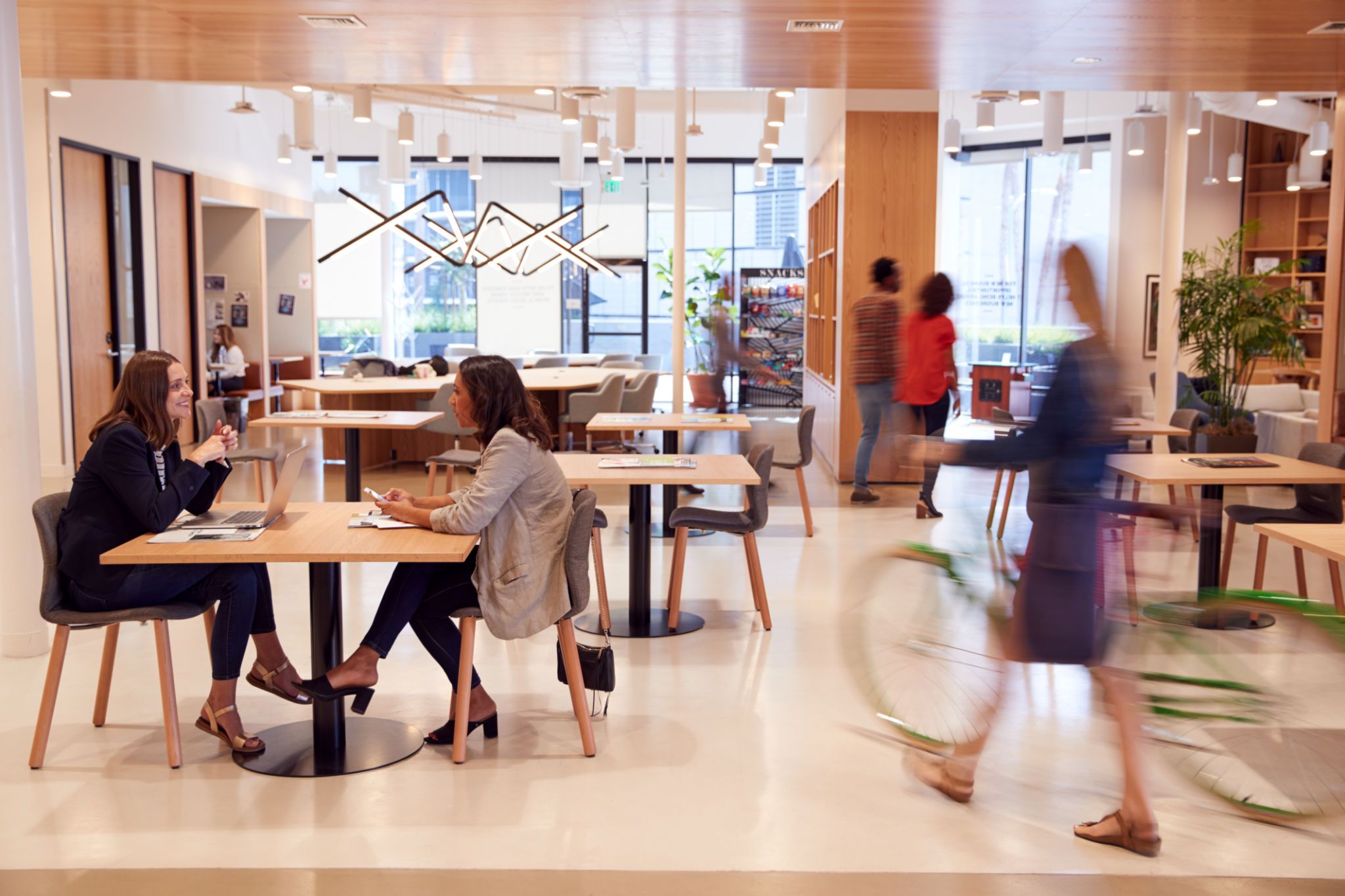
As the nature of work evolves, so do the spaces in which we work. Flexible workspaces are becoming increasingly popular, allowing employees to choose environments that best suit their tasks. This includes adjustable desks, movable partitions, and multi-purpose areas that can transform based on specific needs.
Encouraging Collaboration and Innovation
Flexible workspaces encourage collaboration, allowing teams to gather in shared spaces for brainstorming sessions and meetings. This adaptability not only enhances teamwork but also supports innovation by providing the right environment for creative thinking.
Technology Integration
Smart Solutions for Modern Offices
Technology is playing a pivotal role in workplace restoration. Smart solutions, such as automated lighting, climate control, and virtual collaboration tools, are being integrated into office designs to enhance efficiency and connectivity. These technologies create a seamless working experience and can be customized to individual preferences.
Embracing the Future
Embracing technology in workplace restoration not only supports current business operations but also prepares companies for future challenges. By staying ahead of technological trends, businesses can remain competitive and attract top talent.

Wellness-Centric Design
Prioritizing Employee Health
Wellness-centric design focuses on creating environments that support physical and mental health. This includes ergonomic furniture, natural lighting, and spaces dedicated to relaxation and mindfulness. Such designs reflect a growing recognition of the importance of employee well-being.
Impact on Productivity
When employees feel their health and well-being are prioritized, they are more likely to be engaged and productive. Wellness-centric design not only reduces absenteeism but also enhances overall job satisfaction, leading to a more motivated workforce.

Conclusion
Emerging trends in workplace restoration are reshaping how businesses create and maintain their office environments. By embracing biophilic design, flexible workspaces, technology integration, and wellness-centric design, companies can foster a more productive and satisfying workplace. These trends not only benefit employees but also contribute to the long-term success of the organization.