

Introduction to Workplace Restoration
Workplace restoration involves rejuvenating and upgrading work environments to boost productivity, enhance employee well-being, and reflect modern business values. In Middlesex County, a recent project showcased the transformative power of strategic workplace restoration, resulting in a more dynamic and efficient work environment.

The Challenge
The client, a mid-sized company in Middlesex County, faced several challenges. Their office space was outdated, lacked functionality, and failed to inspire creativity. Employees reported feeling cramped and unmotivated, which impacted overall productivity. The challenge was to create a space that was both functional and aesthetically pleasing.
Identifying the Needs
A thorough assessment was conducted to identify specific needs. Key priorities included improving lighting, increasing space utilization, and incorporating ergonomic furniture. It was crucial to ensure that the new design aligned with the company's brand identity and culture.
The Restoration Process
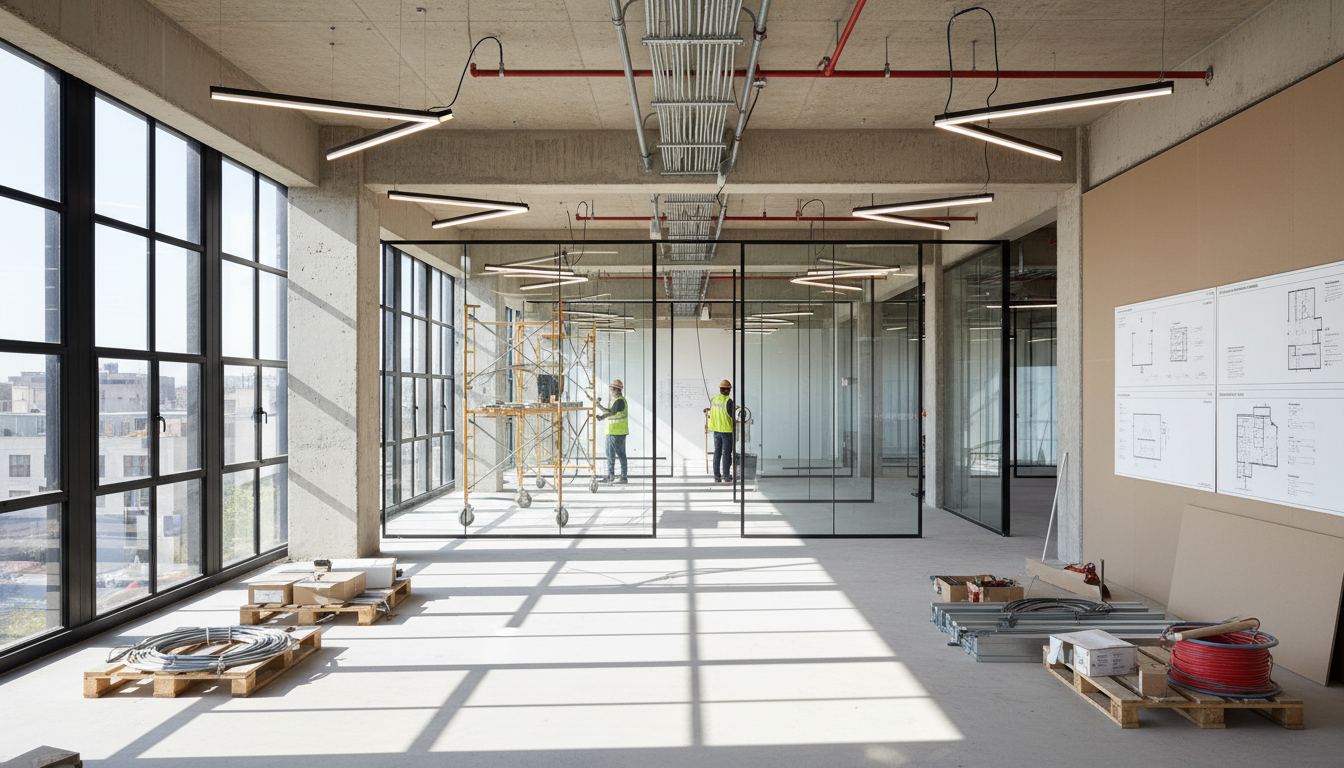
The restoration process began with a comprehensive plan that addressed the identified needs. A phased approach was adopted to minimize disruption to daily operations. Collaboration with designers, contractors, and stakeholders was essential to ensure a smooth transition.
Key Elements of the Design
The new design featured open spaces to encourage collaboration, private areas for focused work, and communal zones to foster a sense of community. Natural lighting was maximized, and sustainable materials were used to reflect a commitment to environmental responsibility.
- Open and collaborative workspaces
- Private focus areas
- Communal zones
- Maximized natural lighting
- Use of sustainable materials
Outcomes and Benefits
The restoration project yielded significant benefits. Employee satisfaction and productivity saw a marked improvement. The new environment fostered creativity and innovation, leading to enhanced business performance. The company also reported a decrease in employee turnover and an increase in talent attraction.

Feedback from Employees
Feedback from employees was overwhelmingly positive. Many appreciated the improved comfort and functionality of the new workspace. The open design was particularly praised for enhancing communication and collaboration among teams.
- Improved employee satisfaction
- Increased productivity
- Enhanced creativity and innovation
- Reduced employee turnover
Conclusion
This case study highlights the importance of workplace restoration in creating environments that support modern work needs. The Middlesex County project serves as a model for businesses looking to revitalize their spaces and achieve substantial business gains through thoughtful design.