

Introduction to the Project
In Middlesex County, a recent workplace restoration project has set a new benchmark for efficiency and sustainability. This case study delves into the strategic steps taken to transform a dated office space into a modern, efficient working environment. By focusing on eco-friendly materials and cutting-edge technology, the project not only rejuvenated the workspace but also promoted employee well-being and productivity.
The project was initiated by a local corporation keen on modernizing its facilities to better align with its commitment to sustainability and innovation. The restoration spanned over six months and involved a multi-disciplinary team of architects, designers, and engineers.
Planning and Strategy
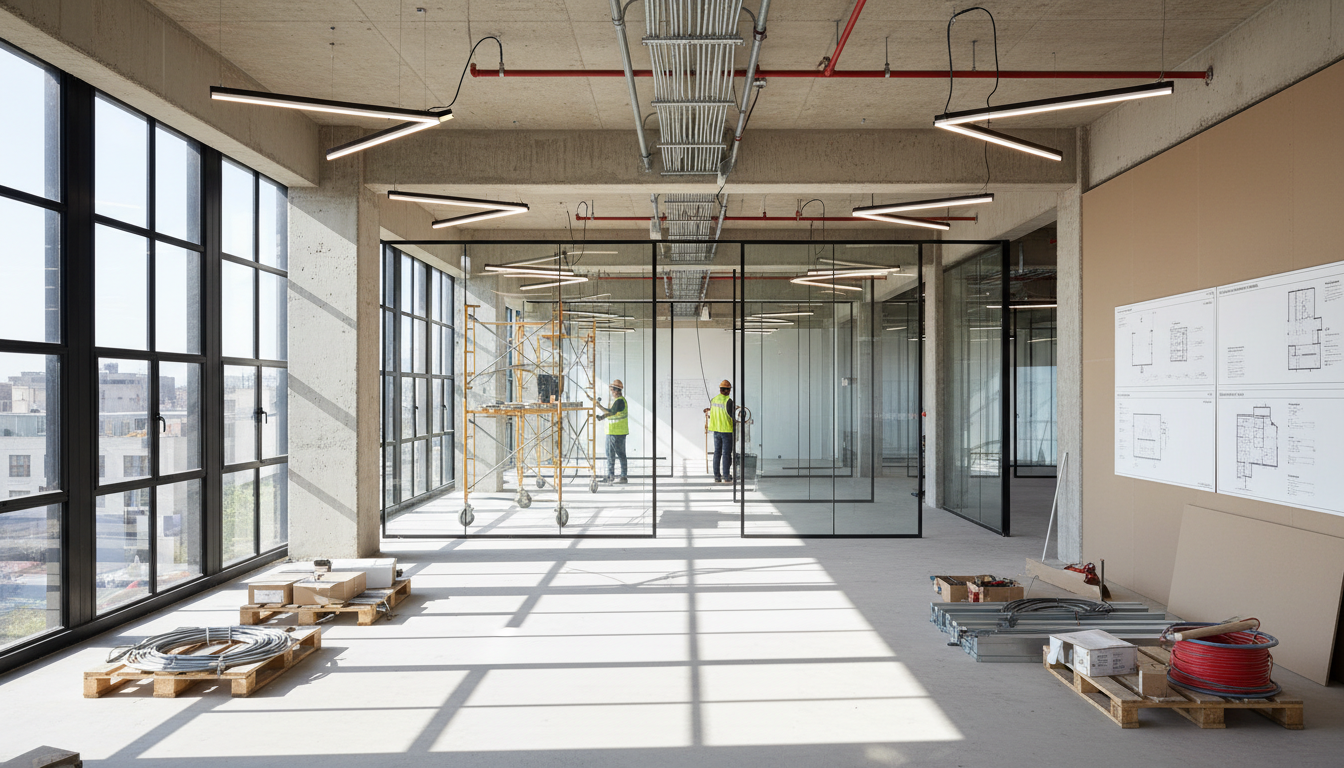
The initial phase involved a comprehensive assessment of the existing structure. Key areas for improvement were identified, including outdated electrical systems, inefficient lighting, and poor space utilization. A robust plan was developed to address these issues while minimizing disruptions to daily operations.
One of the primary goals was to enhance energy efficiency. The design team opted for LED lighting and energy-efficient HVAC systems. Additionally, the use of sustainable materials like recycled wood and low-VOC paints contributed to a healthier indoor environment.
Collaboration and Execution
Collaboration was pivotal in executing the project smoothly. Regular meetings with stakeholders ensured that everyone was aligned on the objectives and progress. The team adopted an agile approach, allowing for flexibility and timely adjustments as needed.

Innovative Design Solutions
The restoration emphasized creating an open and inviting atmosphere. Walls were reconfigured to allow more natural light, and open-plan workstations replaced traditional cubicles. These changes fostered a sense of community and collaboration among employees.
Modern amenities, such as ergonomic furniture and smart meeting rooms equipped with the latest technology, were introduced. These upgrades not only improved functionality but also contributed to an inspiring workplace culture.

Outcomes and Benefits
The results of the restoration were overwhelmingly positive. Employee satisfaction surveys indicated a significant improvement in morale and productivity. Moreover, the energy-efficient systems led to a noticeable reduction in utility costs, underscoring the project's financial viability.
Furthermore, the project served as a model for other organizations in Middlesex County aiming to modernize their facilities sustainably. The corporation received accolades for its forward-thinking approach and commitment to environmental responsibility.
Future Prospects
Looking ahead, the success of this project has paved the way for future initiatives focused on sustainability and innovation. The corporation plans to continue investing in green technologies and explore additional ways to enhance employee well-being.
Overall, the Middlesex County workplace restoration stands as a testament to the power of strategic planning, collaboration, and innovative design in achieving a transformative and sustainable outcome.